Stucco repair
Cracked, loose or water-stained cement stucco and lime plaster repaired and blended.
Troy · Cohoes · Schenectady · Saratoga Springs
Stucco that sheds water and stays put. From older stucco-over-brick rowhouses in Troy and Cohoes to Schenectady neighborhoods, Saratoga Springs homes and suburban additions, we find how water gets behind the wall, match the right mortar mix, and leave a clean finish.
Call or text (518) 888-7851
Book spring work now. Winter assessments and estimates available.
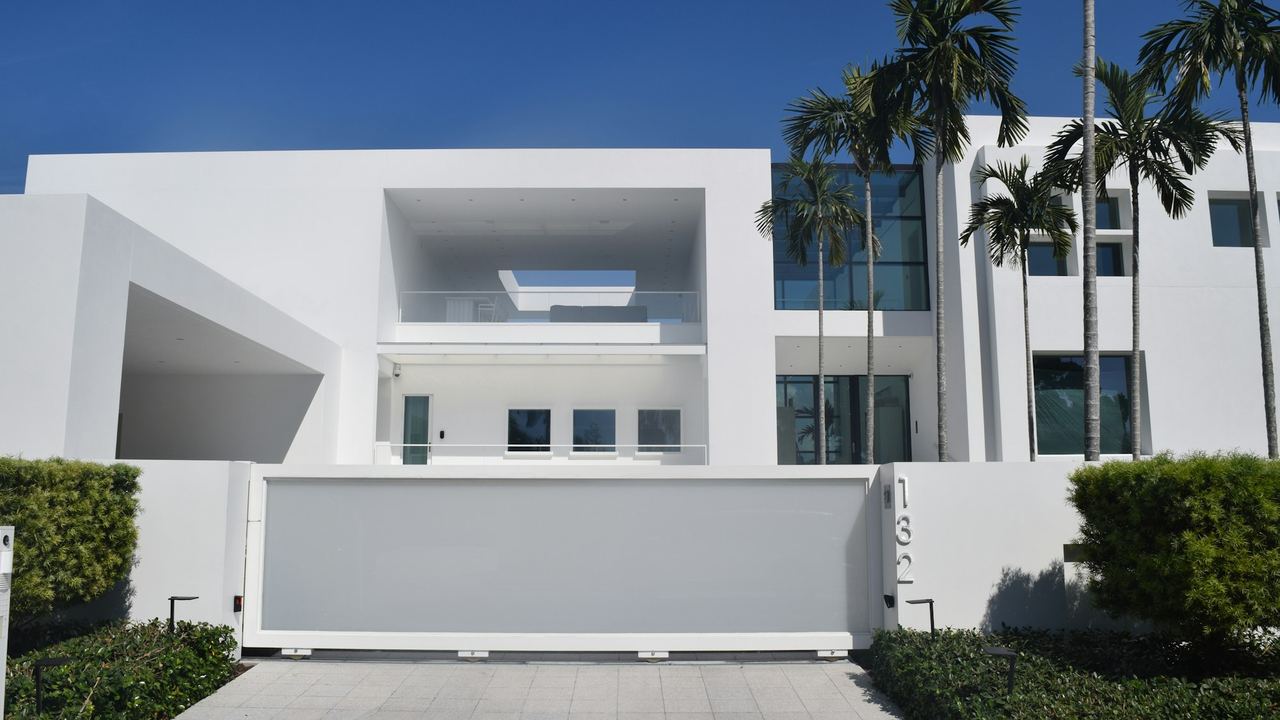
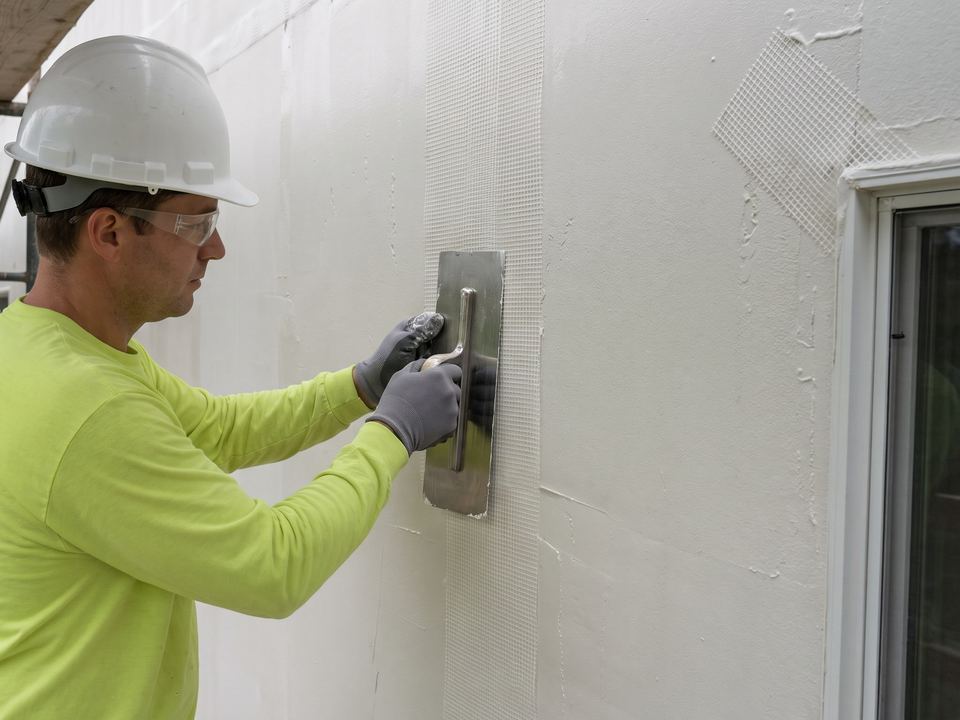
Photo: AI-generated video; still image is a stock photoAI-generated video: camera glides along a refinished stucco home on a tree-lined Albany street
Ten exterior scopes under one roof, centered on keeping Capital Region masonry and framed walls dry.
Cracked, loose or water-stained cement stucco and lime plaster repaired and blended.
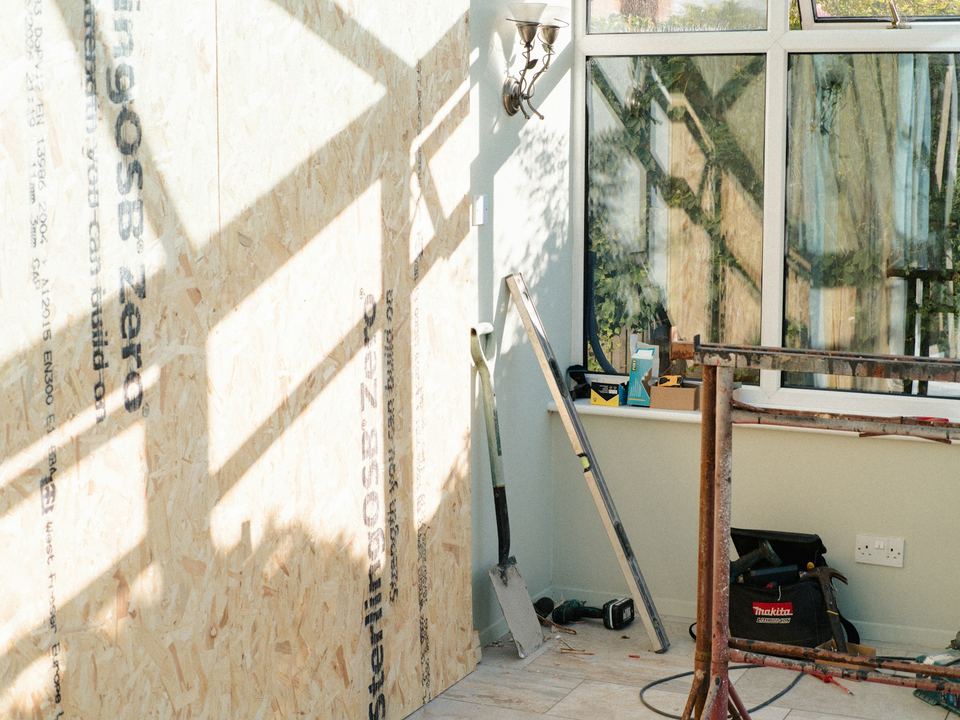
Tired, blotchy or scarred stucco re-skimmed with mesh or coated in one even finish.

Traditional three-coat cement stucco for additions, garages, dormers and full re-sides.
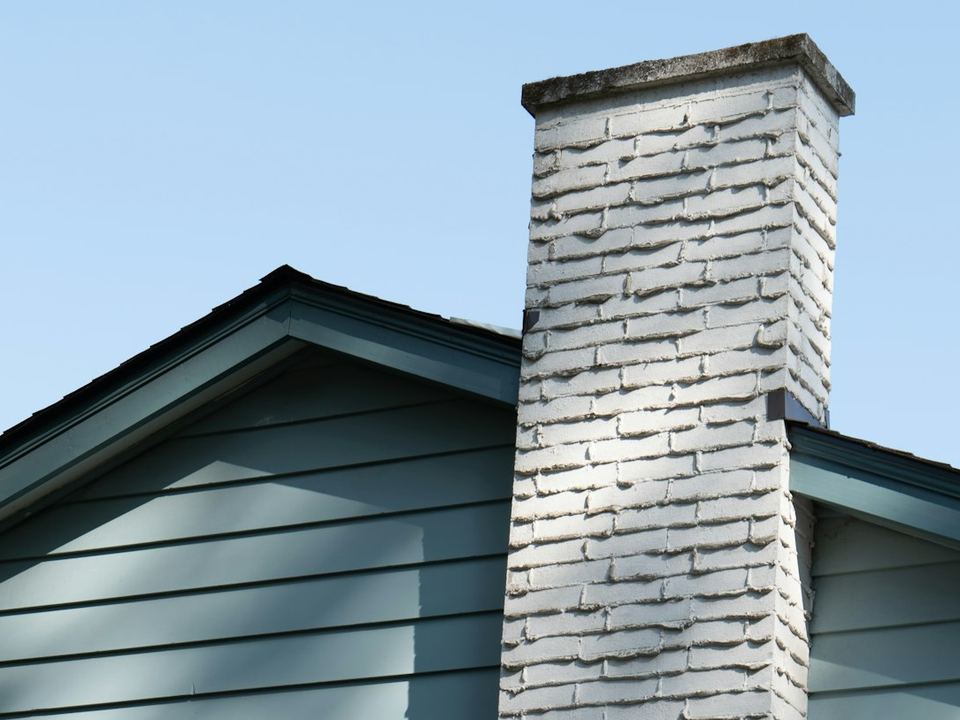
Foundation parging and chimney stucco rebuilt at the two spots that fail first.
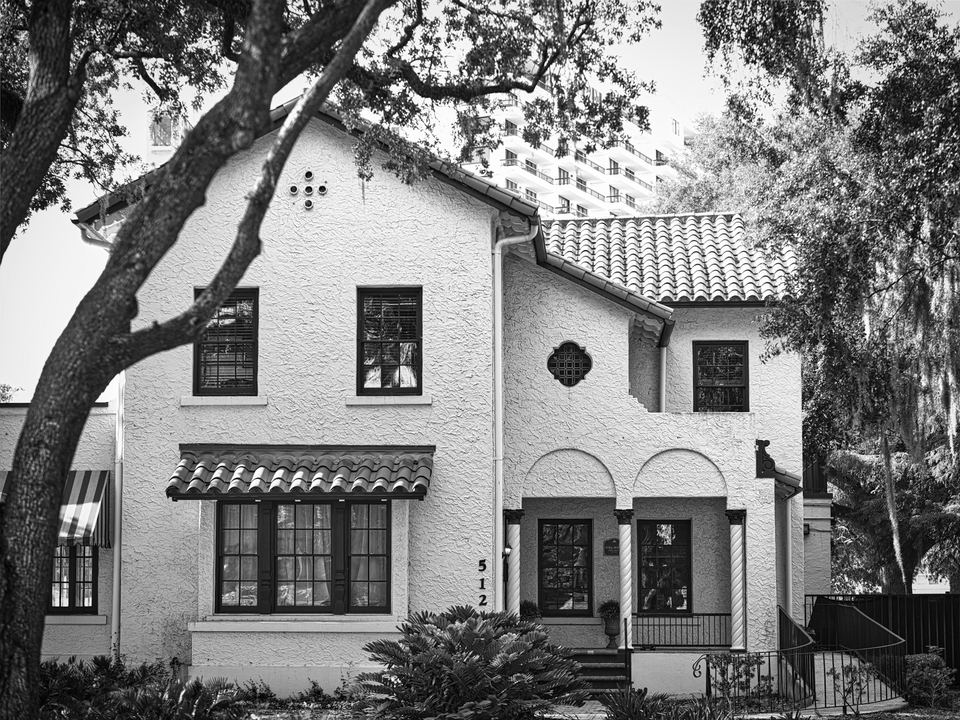
Paid wall assessments for repair planning; the fee is credited toward your contract.
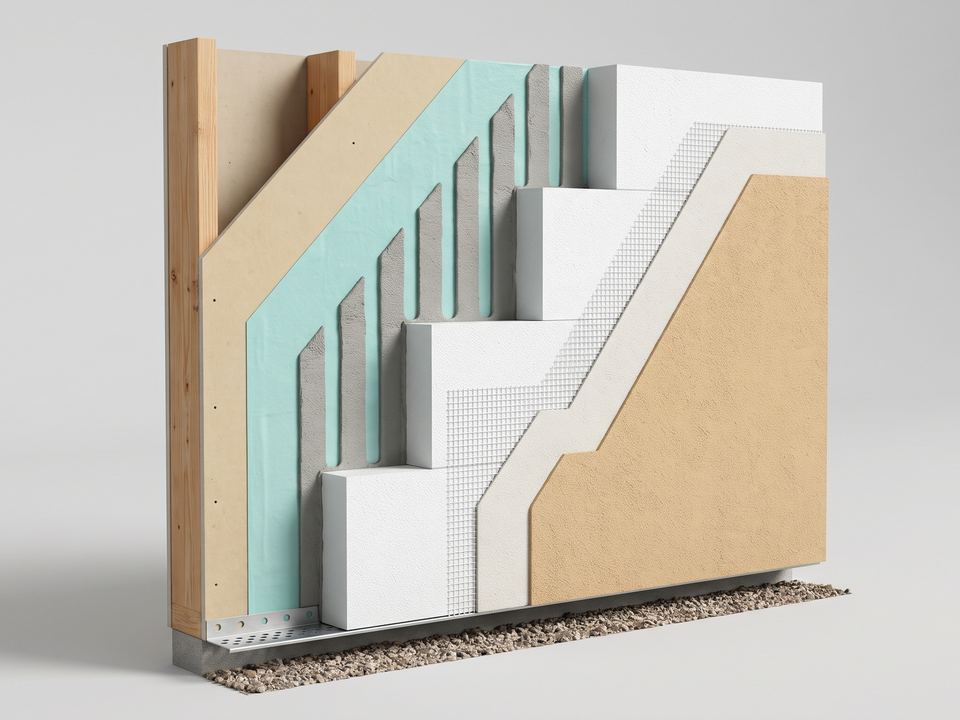
AI-generated illustration
EIFS moisture repair, recoating and new drainage EIFS on homes and commercial buildings.
Whole-facade repair across stucco, EIFS, masonry, siding, flashing and trim.
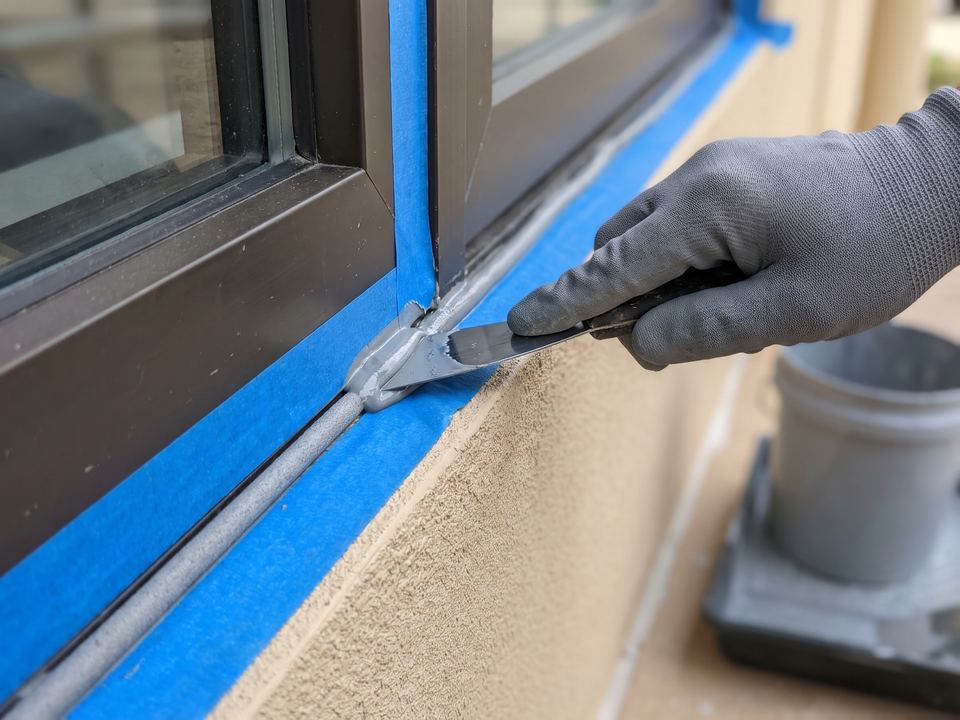
AI-generated illustration
Perimeter sealant joints, kick-out and step flashing, barriers and breathable coatings.
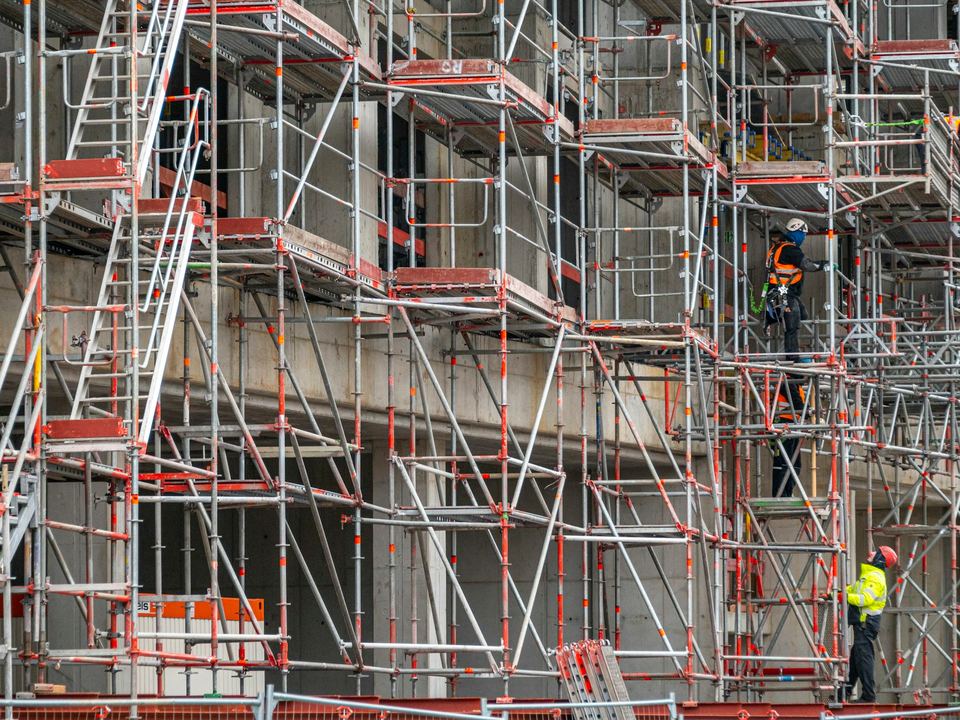
Company-owned supported pipe and frame scaffold erected for our jobs, owners and trades.
Aluminum composite and plate wall panels, fascia bands, trims and soffits.
Surface cracks and stains almost always point back to how bulk water or trapped vapor is behaving behind the coat.
The wall looks intact from ten feet away, yet rapping it with your knuckles produces a dull, drum-like ring.
Hard gray patches on older rowhouses and masonry homes crack around their edges and fall out with red brick stuck to the back.
Dirty vertical tracks or damp blotches hang below window corners, sill ends or roof-to-wall intersections.
Gray chunks of mortar collect along walkways, driveways or roof shingles at the bottom and top of the house.
Clear steps whether you need a small foundation parge run or a full two-story elevation rebuilt.
Text or upload one close-up of the damage and one full-wall shot with your town. We reply within one business day.
On site, we tap out hollow areas, check flashings, crowns and grade clearance, and verify whether the mix is lime, cement or EIFS.
You get a straightforward written scope and free estimate spelling out what comes off, how flashing is corrected and how the finish blends.
Our own insured crew sets any needed scaffold, rebuilds the coats above 40 °F and rising, matches the texture and cleans the site.
Across Troy, Cohoes, Watervliet, Schenectady and Saratoga Springs, exterior plaster and stucco sit on three very different kinds of framing. River-city rowhouses and nineteenth-century brick buildings carry stucco applied straight onto soft clay brick or stone. Early twentieth-century houses in Schenectady and Saratoga neighborhoods often hold cement or lime stucco over wood lath or early wire mesh. Post-war ranches, split-levels and suburban additions in Clifton Park, East Greenbush and Ballston Spa usually carry three-coat Portland cement stucco or foam-backed EIFS over sheathing.
Each wall handles winter moisture differently. Snow piled against foundations, missing kick-out flashing at roof edges and open sealant joints around windows feed water behind the surface. When wet masonry freezes overnight and thaws in the afternoon sun, ice expands behind the render until the bond breaks and the wall sounds hollow under your knuckles.
The fastest way to ruin an older stucco-over-brick facade is patching it with dense hardware-store cement. Old brick and lime mortar are relatively soft and vapor-permeable: moisture moves through them and evaporates outward. Slapping a rigid Portland cement patch onto a lime wall traps dampness directly behind the repair. Within a winter or two, frost pushes the stiff patch right off, pulling the faces of the historic brick away with it.
Before mixing anything, we check what the original base coat is sitting on. Historic brick and soft masonry get lime-rich, breathable mixes that flex and dry at the same rate as the wall. Later cement stucco over metal lath gets matched Portland and polymer-modified base coats.
Cracked stucco is rarely just a plaster problem. Usually a rusted drip edge, an unsealed window perimeter or a deteriorated chimney cap let the water in first. Because our own crews handle stucco repair, foundation parging, waterproofing and exterior restoration, we solve the leak and blend the finish under one written scope.
518 Stucco is the Capital Region stucco service of The Dom Construction Group LLC, working on homes and buildings from Troy and Cohoes to Saratoga Springs and Schenectady. Read about our crew or call or text (518) 888-7851.
AI-generated illustration
Name and phone number are all we need. One close-up and one shot of the full wall help most.
Knock firmly across a dry section of the wall with your knuckles. Traditional cement stucco and older lime plaster feel hard and sound solid, like tapping masonry or concrete block. EIFS sits over rigid foam insulation board, so tapping it produces a hollow, drum-like sound and slight give under firm thumb pressure. Around window frames or utility penetrations, EIFS also shows a thin flexible lamina rather than thick mortar.
Nineteenth-century brick buildings along the Hudson and Mohawk rivers were built with soft clay brick and breathable lime mortar. When someone repairs that wall with dense Portland cement mortar from a bag, the patch cures much harder and less vapor-permeable than the brick behind it. Interior warmth and dampness collect behind the dense patch, freeze during winter nights, and push the stiff repair off along with the brick face.
Cementitious base coats, lime mortars, acrylic textures and exterior coatings all need ambient and wall temperatures around 40 °F and rising, with no freezing temperatures for at least 24 hours while the material sets and cures. If fresh mortar freezes before hydration finishes, ice crystals break the internal bond and turn the coat powdery. In the 518, outdoor finish work typically runs from spring into late fall.
Our own crews at The Dom Construction Group LLC perform the stucco, plaster, flashing and coating work from surface prep through cleanup. We also own supported pipe and frame scaffolding and erect it with our own crew, which keeps multi-story wall and chimney repairs on schedule without waiting on third-party staging companies. When a commercial facade or tight setback favors aerial access, lifts are rented or owner-furnished.
Yes, we perform paid exterior wall assessments for buyers and owners who need practical repair planning on stucco or EIFS buildings. The inspection fee is quoted beforehand and credited in full toward the contract if the owner hires us for the repairs. It is a contractor's trade assessment rather than a report from a licensed home inspector, engineer or architect, and walls are opened only with the owner's permission.
Albany and the rest of the 518 area code; Catskills and Hudson Valley for larger projects
Text a close-up and a full-wall shot to get started
Book spring work now. Winter assessments and estimates available.