Rebuilding spalled foundation parging above grade
Walk down almost any block in Schenectady, Troy, East Greenbush or Ballston Spa in April and you will spot gray mortar flakes lying along driveways and porch steps. Exposed concrete block, brick and stone foundations sit right in the splash zone of eaves, salted snowbanks and wet soil. Once water gets behind a hairline crack in old parging, overnight freezing pops entire dinner-plate sheets off the foundation.
Skimming thin patch cement over loose, dusty parging never holds past the next winter. Our crew taps down the entire foundation run, chisels away every hollow section back to solid masonry, rakes out crumbling mortar joints that need repointing, washes off salt and dirt, and applies a mechanical bond coat—or galvanized lath where irregular stone or painted block demands reinforcement—before floating a clean, even parge coat terminated neatly above soil and pavement.
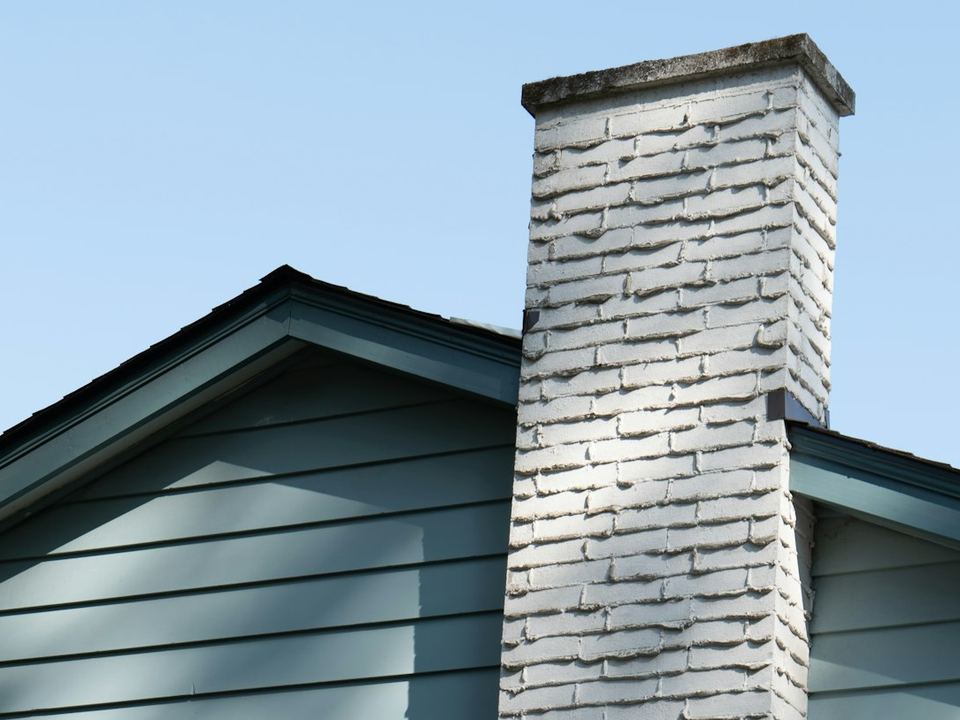
Chimney stucco, crowns and step-flashing repairs
Above the shingles, a stucco chimney takes wind-driven rain and freezing gusts on all four sides without an eave to shelter it. Most peeling chimney stucco is only a symptom of water entering at the top or bottom:
- Cracked mortar crowns and washes on top of the stack let rainwater soak straight down the brick core, saturating the stucco from the inside out.
- Open step and counter-flashing where the roof meets the chimney sides lets snowmelt run behind the lower render and stain attic rafters.
- Painted chimney coats trap internal moisture until sheets of plaster slide onto the shingles.
We strip loose chimney render down to firm brick, repair or seal weathered crowns, correct roof counter-flashing and waterproofing transitions, fasten galvanized wire lath when the brick surface calls for it, and rebuild the scratch, brown and breathable finish coats cleanly.
Picking the right mortar mix for old brick foundations
Age matters just as much at the foundation line as it does on upper walls. Older houses in Troy, Cohoes, Watervliet, Rensselaer and Amsterdam often rest on soft nineteenth-century clay brick or rubble-stone cellar walls that constantly vent trace ground dampness outward. Coating soft historic brick with a dense, high-Portland cement mix locks that moisture inside the masonry until winter frost turns the brick faces behind the parging into red dust.
We match lime-tempered, vapor-permeable parging mixes to older brick and stone foundations so cellar walls can dry safely, while using tougher polymer-modified Portland mixes on modern concrete block and poured concrete foundations. If upper house walls also show cracking or staining, we can combine foundation work with main-wall stucco repair or stucco refinishing.
Safe roof access, scaffold setup and typical pricing
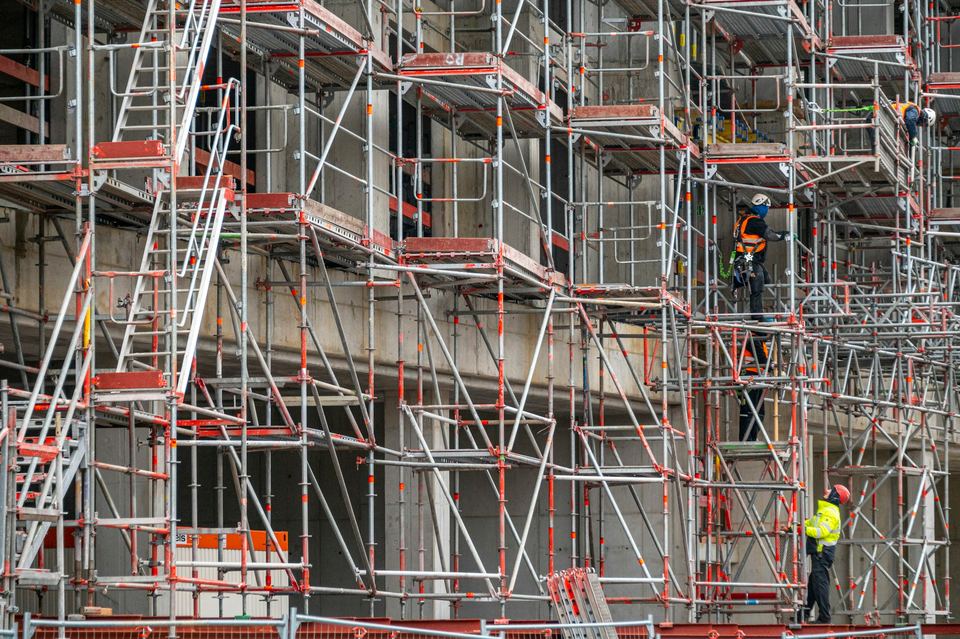
Chipping plaster and floating mortar around a tall chimney cannot be done cleanly or safely off a leaning ladder. Because we own supported pipe and frame scaffolding and set it with our own crew, we protect shingles and slate with padded staging and reach all four faces of steep-roof chimneys properly.
Straightforward foundation parging runs and low single-story chimney repairs commonly fall from a few hundred to a couple of thousand dollars; tall chimneys needing full ground-up scaffold towers cost more based on access height. Mortar and finish coats need about 40 °F and rising with 24 frost-free hours, and estimates are free year-round.